
By Micaela Colley, Organic Seed Alliance and Washington State University
-AMAZONPOLLY-ONLYWORDS-START-
-AMAZONPOLLY-ONLYWORDS-END-
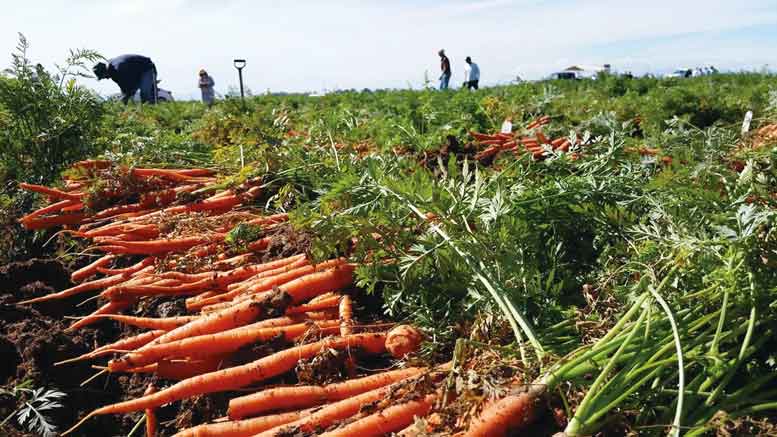
Organic growers are required to use organic seed when available and rely on varieties that meet the challenges of organic systems to maximize production. Plant breeders and seed companies are striving to meet the needs of organic carrot producers through variety selection and improvement. All carrot growers – organic and conventional – may benefit from improved carrot cultivars with priority traits such as flavor, nutrition, and disease and pest resistance. The prioritization of traits, however, may differ between production systems. For example, weed competitiveness, particularly during crop establishment, is a crucial trait for organic producers who operate without the use of chemical herbicides. Plant breeders often operate with limited capacity and resources when breeding for both organic and conventional markets. For this reason, it is important to determine when testing and selection under organic conditions is advantageous to develop varieties optimized for organic systems and when selection under conventional conditions will also result in genetic crop improvement for organic systems.
-AMAZONPOLLY-ONLYWORDS-START-
-AMAZONPOLLY-ONLYWORDS-END-
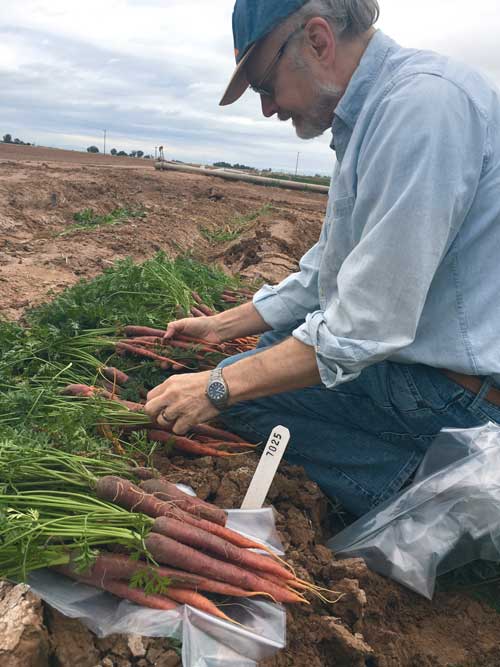
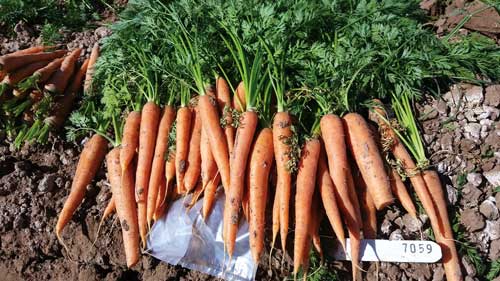
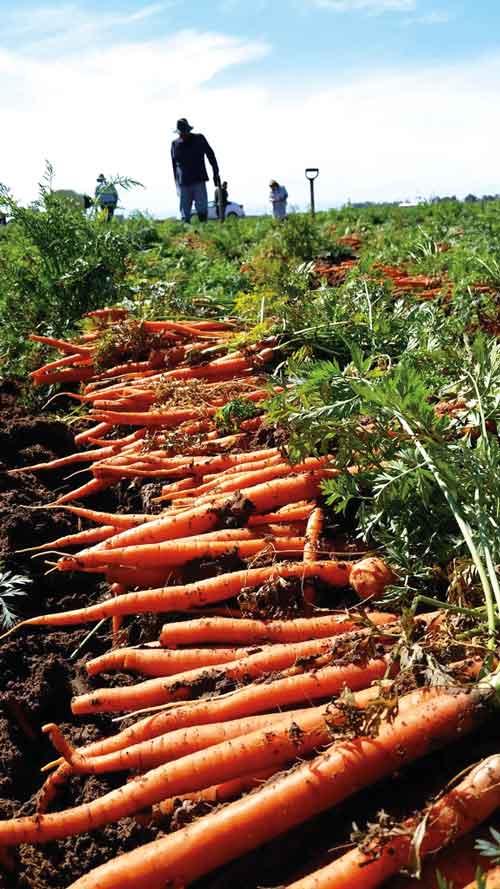
The Carrot Improvement for Organic Agriculture (CIOA) project set out to help inform these questions through a study of the environmental versus genetic influences on carrot performance. The researchers conducted paired, replicated trials of 36 breeding lines and commercial cultivars under organic and conventional systems across four years and two locations to aid plant breeders striving to optimize field and lab-based breeding and testing strategies.
-AMAZONPOLLY-ONLYWORDS-START-
-AMAZONPOLLY-ONLYWORDS-END-
The article “Influence of Organic and Conventional Management Systems on Carrot Performance and Implications for Organic Crop Breeding” focused on carrot yield and top growth traits as a broad indicator of response, and results are presented in the Journal of the American Society of Horticultural Science.
Results varied by trait and between open pollinated, hybrid and breeding lines, but provided insights into differences in the stability of variety performance under the two systems. In addition to this study, multidisciplinary researchers partnering in the CIOA project, led by Phil Simon, USDA-ARS, are collaborating to achieve the broader goals of delivering carrot cultivars with improved disease and nematode resistance, improved nutrient acquisition, seedling vigor and weed competitive traits, increased marketable yield, superior nutritional value, flavor and other culinary qualities, and storage quality for organic production. Project researchers and graduate students are additionally investigating the role of soil microbiome in carrot performance and delivering education and outreach to growers, graduate students and the broader carrot industry.
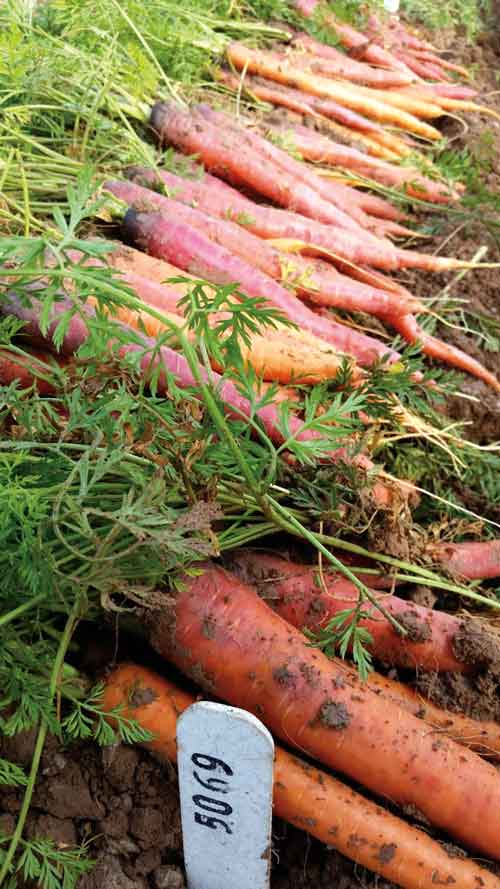
Several new variety releases, including novel sources of resistance to nematodes, Alternaria and cavity spot, as well as novel-colored carrots are already released, with numerous additional releases planned for the coming year. Input on performance from carrot growers in participatory trials associated with the research trials of this project has provided critical input in identifying new carrot germplasm to strengthen and expand the role of carrots in their farming operations.
-AMAZONPOLLY-ONLYWORDS-START-
-AMAZONPOLLY-ONLYWORDS-END-